Need dependable complaint letters samples that are easy to customize? This collection features 16 or more practical examples designed to document a concern or mistake calmly and request a fair resolution. The introductions focus on the reader’s likely search intent, explain the letter’s function, and help you begin with meaningful context instead of vague language that could apply to almost any document.
The samples can be used by customers, employees, students, managers, and service providers. Depending on the situation, your letter may need the incident, dates, people, evidence, impact, requested remedy, and deadline. Choose an example that closely matches your goal, then substitute real names, dates, facts, references, and expectations for every placeholder. Accurate specifics make the message more credible, easier to understand, and more likely to receive an appropriate response.
Prepare the important information before selecting a file. Review the preview images below to compare formats and wording, download the closest template, and edit it for your recipient, relationship, and preferred level of formality. Remove irrelevant material, verify spelling and factual details, check any attachments or deadlines, and keep a dated copy of the final version after sending.
Find Sample Complaint Letters Below
Complaint Letter To Service Provider


Complaint Letter To Neighbor

Complaint Letter About Loud Barking Dog

Complaint Letter To Company About Faulty Products

Complaint Letter Example

Complaint Letter For Damaged Goods

Complaint Letter For Excessive Fees

Complaint Letter To Landlord

Complaint Letter About Services

Complaint Letter To Customer Services Department
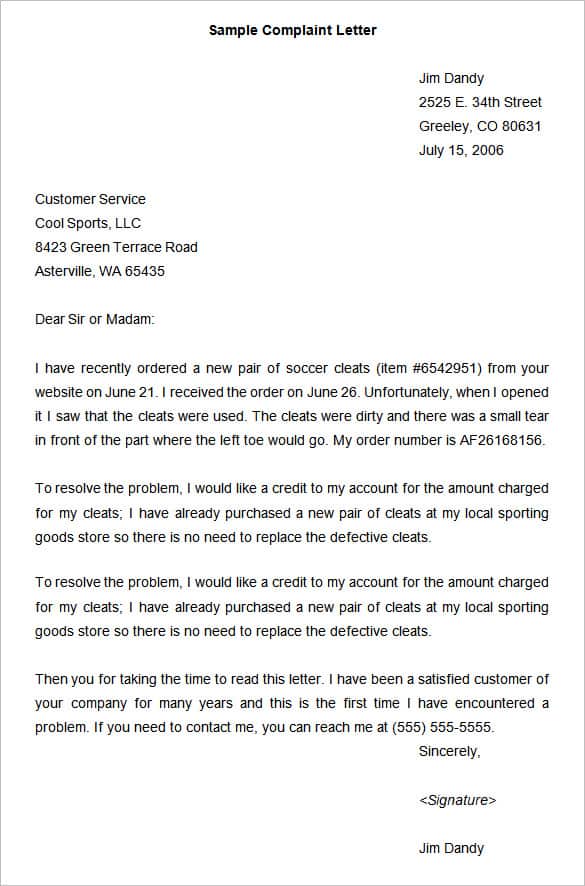
Complaint Letter To Company

Complaint Letter Format In Word

Complaint Letter To Bank

Letter Of Complaint About Goods

Example OF Complaint Letter

Complaint Letter To Court

Practical Guide to Using Complaint Letters
Complaint Letters is most effective when it is written for a clearly defined situation rather than copied word for word. Begin by identifying whether the letter will create a record, request action, confirm an understanding, or communicate a decision. That purpose determines what information belongs in the message and what can be left out.
Choose the right example
Select a sample that deals with a problem, disputed event, or unsatisfactory experience. Compare the sample’s relationship, level of formality, and desired outcome with your own circumstances. A letter written to a company, school, employer, government office, customer, or personal contact may discuss a similar subject but require a different greeting, level of detail, and closing.
Gather accurate information
Before editing, prepare what happened, when it occurred, who was involved, what evidence exists, and what fair resolution is expected. Confirm spelling and figures against reliable records. Where appropriate, organize the facts in date order so the recipient can follow the situation without searching through the letter. If a fact is uncertain, verify it rather than presenting an assumption as established information.
Use supporting material carefully
Useful attachments may include receipts, screenshots, correspondence, policy wording, photographs, or witness details. Mention each attachment in the body and give it a clear filename or label. Do not overload the recipient with unrelated records. Personal identifiers, financial information, and confidential workplace material should be included only when necessary and sent through an appropriate channel.
Write a clear opening and request
The first paragraph should explain the reason for writing in plain language. The middle paragraphs should supply the essential context and supporting facts. In the closing, state exactly what you want the reader to do, how they can respond, and whether a reasonable deadline applies. This structure helps the letter remain useful even when it is saved, forwarded, or reviewed later.
Avoid common mistakes
state the facts before describing their effect; request a realistic remedy without threats. Avoid vague subject lines, unexplained abbreviations, inconsistent dates, unsupported accusations, excessive background, and copied placeholders. Do not promise an outcome you cannot control. If the matter has legal, contractual, disciplinary, or financial consequences, consider having the final wording reviewed by a qualified person before sending it.
Delivery and record keeping
Choose email, post, hand delivery, or an official portal according to the recipient’s requirements. Use a descriptive subject line and retain the final signed version, attachments, and proof of delivery. If no reply arrives, follow up politely by referring to the original date, subject, and reference number instead of rewriting the entire issue.
When to use Complaint Letters
Use this type of letter when a spoken conversation is not enough, when the recipient needs organized information, or when both sides may need a reliable record later. It is particularly useful when dates, responsibilities, decisions, payments, permissions, or promised actions must be stated accurately. A written letter also gives the recipient time to review the facts and forward the matter to the correct person.
Do not send a formal letter merely to make a simple message look important. A short email or direct conversation may be better when the issue is routine and no permanent record is needed. If the subject is urgent, contact the recipient promptly and use the letter as confirmation rather than waiting for postal delivery. For sensitive disputes, employment action, contracts, financial obligations, or legal rights, the examples provide general drafting help but should not replace advice tailored to the applicable rules.
Make the response easy
Close by identifying one practical next step. Provide the correct phone number, email address, reference, and availability where appropriate. If you request a reply by a particular date, allow reasonable time and explain why that date matters. Clear response instructions improve the chance that the recipient will act without asking for clarification.
How to Write and Customize Complaint Letters
Choose the example that best matches the problem or incident. Use it as a framework, rewrite the opening for the intended reader, and replace every placeholder with verified information.
Details to prepare
Collect dates, receipts, references, evidence, and the requested remedy. Relevant facts make complaint letters easier to assess and reduce follow-up questions. Remove confidential, outdated, or unrelated sample wording.
Tone and final review
Keep the language factual and calm. State the expected action clearly, check names, dates, figures, contact details and attachments, and retain a copy when the matter is important.
Related Letter Resources
- 2 Sample Complaint Letters for Rude Behavior
- 11+ Sample Persuasion Letters
- 12+ Sample Announcement Letters
Frequently Asked Questions
What should complaint letters include?
Identify the problem or incident, explain the relevant facts, include dates, receipts, references, evidence, and the requested remedy, and state the response or action required.
How formal should it be?
Use language that is factual and calm. Match the greeting to the recipient while keeping the purpose clear.
Can I edit these examples?
Yes. Replace all sample details, remove sections that do not apply, and add only the facts the recipient needs.
What should I check before sending?
Verify names, dates, figures, addresses, references, attachments, signature, and deadline. Proofread and keep a final copy.