A delegation letter is a formal document used to assign specific duties, responsibilities, authority, or decision-making powers to another person. Delegation is commonly used in businesses, offices, government organizations, universities, healthcare facilities, and other workplaces when someone needs another individual to perform certain tasks or act on their behalf.
A well-written delegation letter clearly identifies the person receiving the delegated responsibility, explains the duties or authority being assigned, specifies the effective date and duration, and establishes any limitations or conditions that apply.
If you need to delegate work or authority but are unsure how to write the letter, the sample delegation letters, delegation letter templates, and delegation letter examples on this page can help you create professional correspondence quickly.
These examples cover several situations, including delegation of responsibility, delegation of authority, delegation of signing authority, authorization to act on behalf of another person, employee responsibility delegation, and nurse delegation.
What Is a Delegation Letter?
A delegation letter is a written authorization through which one person, manager, executive, organization, or other authorized party gives another person responsibility or authority to perform specified duties.
For example, a manager who will be away from the office may write a delegation of responsibility letter assigning certain daily tasks to another employee. Similarly, an executive may issue a delegation of authority letter allowing an employee to sign particular documents or approve specific transactions on the organization’s behalf.
The scope of delegation should be clearly defined. A delegation letter should not create uncertainty about what the delegate is allowed to do and what remains outside their authority.
When Is a Delegation Letter Used?
A delegation letter may be required whenever responsibilities or authority need to be temporarily or permanently assigned to another person.
Common situations include:
- Delegating work responsibilities to an employee
- Delegating authority during an absence
- Authorizing someone to act on your behalf
- Delegating signing authority
- Assigning additional duties to an employee
- Delegating authority for a project
- Authorizing someone to approve documents
- Delegating financial or administrative responsibilities
- Assigning responsibility during vacation or leave
- Delegating responsibilities within a department
- Delegating authority to sign contracts or documents
- Assigning nursing or healthcare-related duties where permitted
- Delegating responsibilities within an academic institution
- Assigning responsibility for handling a complaint or case
- Delegating authority for a specific period
The appropriate delegation letter format depends on the nature and scope of the authority being transferred.
How to Write a Delegation Letter
A good delegation letter should be precise because it establishes what another person is permitted or expected to do.
1. Identify the Person Receiving the Delegation
Start by clearly identifying the employee, representative, colleague, manager, or other person who will receive the delegated responsibility.
Include their full name, job title, department, or other identifying information when appropriate.
2. Clearly Describe the Delegated Duties
Explain exactly which responsibilities are being assigned. Avoid vague language such as “handle my work” when more specific wording is possible.
For example, you might delegate responsibility for:
- Reviewing documents
- Approving routine requests
- Managing customer inquiries
- Signing specified documents
- Supervising a team
- Following up on complaints
- Managing a project
- Handling administrative tasks
3. Define the Authority
If you are delegating authority rather than simply assigning tasks, clearly state what the person is authorized to do.
A delegation of authority letter should make the limits of that authority clear. If the delegate can sign documents, approve expenditures, enter into agreements, or represent the organization, specify those powers rather than leaving them open to interpretation.
4. State the Effective Date
Mention when the delegation begins.
For temporary delegation, also include the date on which the authority or responsibility ends. If the delegation continues until it is revoked, that should be stated clearly.
5. Explain Any Conditions or Limitations
Some delegations apply only to particular projects, transactions, departments, documents, or circumstances.
Include any restrictions that the delegate must follow.
6. Mention Additional Compensation if Applicable
If the employee receives additional compensation, an allowance, overtime, or another benefit for taking on additional responsibilities, the relevant arrangement can be mentioned in the letter.
7. Express Confidence in the Delegate
A delegation letter can also recognize the employee’s ability and demonstrate confidence in their capacity to handle the additional responsibility.
A professional and encouraging tone can make the letter more positive while still maintaining clarity about the delegated duties.
8. Sign and Date the Letter
The person delegating the authority should sign and date the document. Depending on the organization’s procedures, additional approval or acknowledgment from the delegate may also be required.
Delegation Letter Format
A standard delegation letter format can include the following information:
[Sender’s Name]
[Job Title]
[Department / Organization]
[Address]
[Date]
To:
[Delegate’s Name]
[Job Title]
Subject: Delegation of [Responsibility / Authority]
Dear [Name]:
This letter is to formally delegate to you the responsibility/authority to [describe the duties or authority being delegated].
This delegation will be effective from [start date] through [end date], or until revoked in writing.
During this period, you will be responsible for [list the relevant duties, responsibilities, or powers]. You are authorized to [describe any specific authority, such as signing documents or approving requests], subject to the following conditions: [list limitations or requirements].
I appreciate your assistance and trust that you will handle these responsibilities professionally and in accordance with applicable policies and procedures.
Sincerely,
[Name]
[Title]
[Signature]
This basic format can be customized for a delegation of authority letter, delegation of responsibility letter, delegation of duties letter, employee delegation letter, or temporary delegation letter.
Types of Delegation Letters
There are several types of delegation letters depending on what is being assigned.
Official Delegation Letter
An official delegation letter formally assigns authority or responsibility from one authorized person to another. It may be used within a government agency, company, university, nonprofit organization, or other institution.
The letter should clearly define the authority being delegated and any conditions attached to it.
Delegation Letter for Responsibility
A delegation letter for responsibility assigns specific duties to another employee or representative. It is especially useful when a manager or employee is absent and another person needs to take over selected responsibilities.
The letter should identify exactly which duties are being transferred and for how long.
Delegation Letter of Authorization
A delegation authorization letter gives another person permission to perform specified actions on behalf of the person or organization issuing the letter.
This type of letter should clearly state the authorized activities and any limitations.
Delegation of Authority Letter
A delegation of authority letter formally transfers specified decision-making or administrative powers to another person.
It is important to distinguish between general responsibility and actual authority. The letter should specify what the delegate is permitted to approve, sign, manage, or decide.
Delegation of Signing Authority Letter
A delegation of signing authority letter allows a designated person to sign specified documents on behalf of an authorized official or organization.
The document should identify the types of documents covered, the effective period, and any restrictions on the signing authority.
Delegation Letter During Absence
When a manager or employee is going on vacation, business travel, medical leave, or another temporary absence, a delegation letter during absence can identify the person who will handle specific responsibilities.
This helps maintain continuity and ensures employees know who has authority while the usual person is unavailable.
Delegation Letter for Employee
An employee delegation letter assigns additional responsibilities to an employee. It can explain the employee’s new duties, reporting requirements, duration of the assignment, and any additional authority provided.
Nurse Delegation Letter
A nurse delegation letter or nursing delegation document can identify duties that a qualified staff member is authorized to perform under applicable nursing policies, supervision requirements, and regulations.
The example on this page specifically presents a nursing medication delegation/checklist document in which staff authorization and RN certification are documented.
Delegation of Authority vs. Delegation of Responsibility
Although these terms are sometimes used interchangeably, they can describe different things.
Delegation of responsibility generally means assigning a person specific duties or tasks that they are expected to perform.
Delegation of authority generally means giving someone the power to make specified decisions or take particular actions on behalf of another person or organization.
For example, a manager may delegate responsibility for preparing a report while retaining the authority to approve the final report. In another situation, the manager may delegate both the responsibility for preparing the document and the authority to sign it.
For this reason, a delegation letter should clearly describe both what the person must do and what the person is authorized to do.
Important Elements of a Delegation Letter
A professional delegation letter should normally contain:
- Name of the delegating person
- Name of the person receiving the delegation
- Job titles and departments
- Description of delegated responsibilities
- Description of delegated authority
- Effective date
- Expiration date, if applicable
- Conditions and limitations
- Reporting requirements
- Approval requirements
- Signature of the delegating official
- Signature or acknowledgment of the delegate when required
- Date of signing
Including these details reduces the possibility of misunderstanding.
Tips for Writing an Effective Delegation Letter
Keep the following points in mind when preparing a delegation letter template:
Be Specific
Clearly describe the duties, responsibilities, and authority being delegated. Avoid ambiguous wording.
Set Clear Time Limits
If the delegation is temporary, specify exactly when it begins and ends.
Define Limitations
Make clear what the delegate can and cannot do.
Use Professional Language
A delegation letter is a formal workplace document, so use clear and professional language.
Avoid Unnecessary Detail
Include everything necessary to understand the delegation, but avoid irrelevant information.
Obtain Required Approval
Some organizations require approval from a supervisor, department head, human resources department, legal department, or another authorized official.
Keep a Record
Retain a signed copy of the delegation letter for organizational records.
Sample Delegation Letters
The examples on this page demonstrate different forms of delegation and authorization. They include a basic authorization letter, a letter concerning delegated responsibilities during an employee’s absence, a delegate authorization letter, formal delegation of authority documents, signing authority forms, an executive delegation letter, and a nurse delegation document.
Use these sample delegation letters as references when preparing your own document. Customize the names, responsibilities, authority, dates, conditions, and other details to accurately reflect your situation.
Sample Delegation Letters Are Added Here


Official Delegation Letter

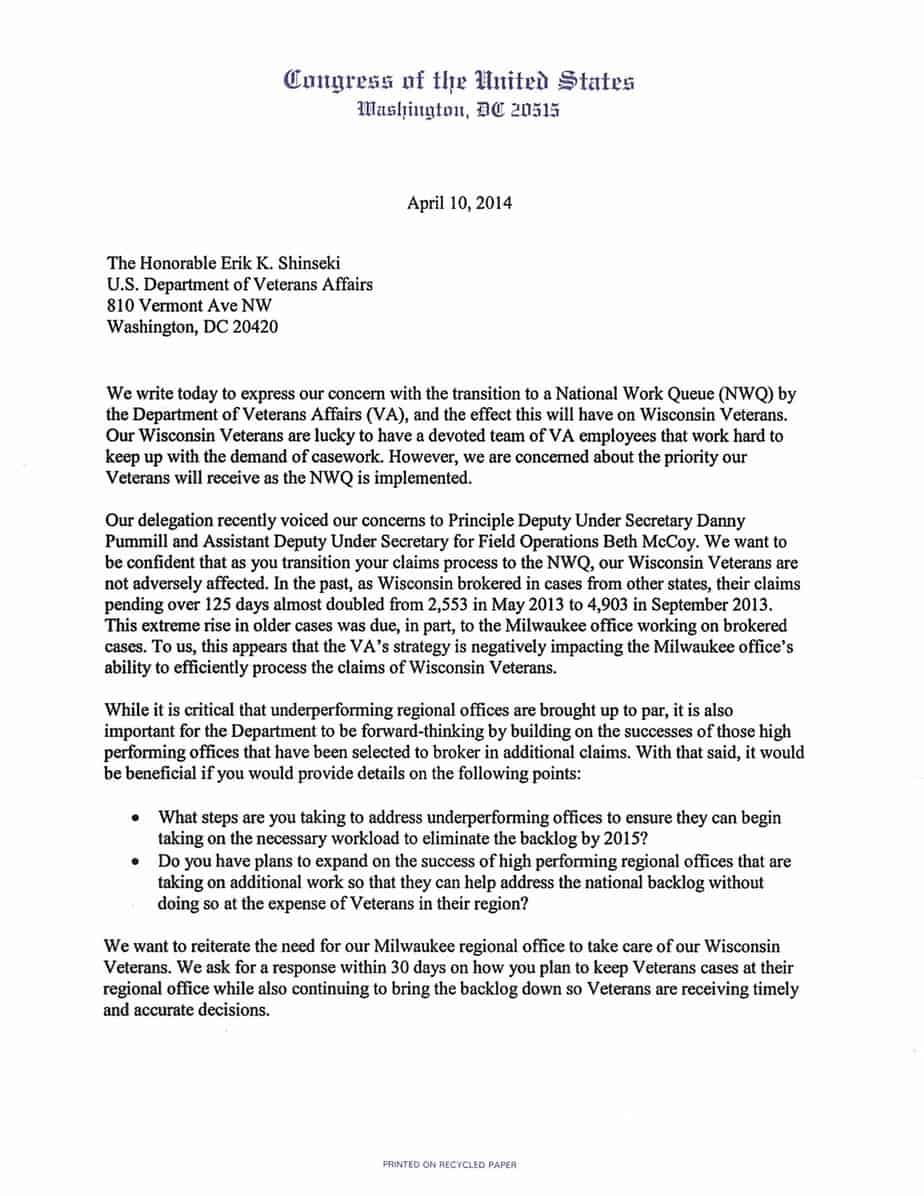
Delegation Letter For Responsibility

Delegation Letter Of Authorization

Delegation Letter Sample

Delegation Of Authority Letter
Delegation Letter Example

Delegation Of Signing Authority Letter

Delegation Letter Printable

Delegation Letter For Nurse

Frequently Asked Questions About Delegation Letters
What is a delegation letter?
A delegation letter is a formal document used to assign specific responsibilities, duties, authority, or decision-making powers to another person.
What is a delegation of authority letter?
A delegation of authority letter formally gives another person permission to exercise specified authority on behalf of an individual or organization. The scope, duration, and limitations of the authority should be clearly stated.
How do I write a delegation letter?
Identify the person receiving the delegation, explain the responsibilities or authority being assigned, state the effective period, describe any limitations, and finish with the appropriate signatures and approvals.
What is the difference between delegation and authorization?
Delegation generally involves assigning responsibility or authority to another person, while authorization gives someone permission to perform a particular action. In practice, the terms can overlap depending on the organization’s policies and the purpose of the document.
Can I delegate my responsibilities to another employee?
Yes, where organizational policies and applicable rules permit it. A written delegation letter can clearly document which responsibilities are being assigned and the period for which the assignment applies.
How long can a delegation letter remain valid?
A delegation can be temporary or ongoing depending on the circumstances. A letter should specify an expiration date when appropriate or state that the delegation remains effective until revoked.
What should a delegation of signing authority letter include?
It should identify the delegating official and delegate, describe the documents or transactions the delegate may sign, specify the effective period, and include any limitations or approval requirements.
Should a delegation letter be signed?
Yes. The person with authority to delegate should normally sign the document. Depending on organizational procedures, the delegate may also need to acknowledge or sign the delegation.
Can I use a delegation letter template?
Yes. A delegation letter template provides a useful starting structure. You should customize it with accurate information about the responsibilities, authority, dates, conditions, and people involved.
Can delegation authority be revoked?
In many situations, yes. The issuing authority may revoke or modify a delegation according to the applicable organizational policies, agreement, or governing rules. The revocation should be documented when required.
Is a delegation letter legally binding?
The legal effect of a delegation letter depends on the circumstances, the authority of the person issuing it, the organization involved, and applicable laws or policies. For important legal, financial, employment, healthcare, or contractual matters, appropriate professional or organizational guidance should be obtained.
Why is a written delegation important?
A written delegation creates a clear record of who has been assigned particular responsibilities or authority. It can reduce confusion, establish accountability, and help employees understand who is responsible for specific tasks during a particular period.