Explore practical referral letters samples that can be adapted to real situations. This collection offers 10 or more examples designed to support a candidate with credible evidence of character, performance, skills, and suitability. The guidance addresses what readers searching for this letter type actually need, allowing you to establish relevance and purpose immediately rather than opening with broad statements that add little value.
These examples are suitable for employers, teachers, supervisors, mentors, and colleagues. A well-prepared version may include your relationship to the person, relevant strengths, examples, and a clear recommendation. Select the sample that best matches your objective and replace every placeholder with accurate names, dates, circumstances, references, and expectations. Concrete details improve trust, readability, and the recipient’s ability to understand what should happen next.
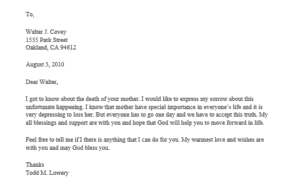
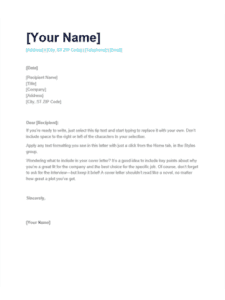
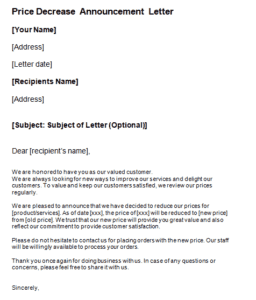
Gather your supporting information before choosing a file. Compare the preview images below, download the template whose structure fits your needs, and revise the wording for your audience and desired tone. Delete sections that are not relevant, proofread names and figures, confirm deadlines and attachments, and retain a copy of the exact version you send for future reference or follow-up.
Download Sample Referral Letters Here
Personal Referral Letter
 Sample Referral Letter
 Company Referral Letter Example
Referral Letter Example


Employee Referral Letter


Referral Letter For Student

Business Referral Letter

Medical Referral Letter

Referral Letter Format

Practical Guide to Using Referral Letters
Referral Letters works best when written for a defined situation instead of copied word for word. Decide whether it will create a record, request action, confirm an understanding, or communicate a decision. That purpose determines what belongs in the message.
Choose the right example
Select a sample dealing with an employment decision or workplace record. Compare its relationship, formality, and desired outcome with your circumstances. A company, school, employer, government office, customer, or personal contact may require different detail and wording.
Gather accurate information
Prepare the employee or candidate, role, department, effective date, policy, responsibilities, and next steps. Check spelling and figures against reliable records and arrange events in date order where useful. Verify uncertain facts instead of presenting assumptions as established information.
Use supporting material carefully
Attachments may include contracts, performance records, interview details, notice requirements, or company policy. Mention each attachment and label it clearly. Exclude unrelated records, and protect confidential, financial, or identifying information by using an appropriate delivery channel.
Write a clear opening and request
Explain the reason for writing in the first paragraph. Supply essential context in the middle and end with the precise action, response method, and reasonable deadline. This structure remains understandable if the letter is saved or forwarded.
Avoid common mistakes
separate confirmed facts from opinion and explain obligations clearly. Avoid vague subjects, unexplained abbreviations, inconsistent dates, unsupported claims, excessive history, and copied placeholders. For legal, contractual, disciplinary, or financial consequences, consider qualified review.
Delivery and record keeping
Use email, post, hand delivery, or an official portal according to requirements. Retain the signed version, attachments, and proof of delivery. Follow up by citing the original date, subject, and reference number.
When to use Referral Letters
Use this letter when a conversation is not enough, when the recipient needs organized information, or when both sides may need a reliable record. It is useful when dates, responsibilities, decisions, payments, permissions, or promised actions must be stated accurately. Written correspondence also gives the reader time to review the facts and forward the matter to the correct person.
Do not use a formal letter merely to make a routine message look important. A short email or conversation may be better when no permanent record is needed. If the subject is urgent, contact the recipient promptly and use the letter as confirmation instead of waiting for delivery. For disputes, employment action, contracts, financial obligations, or legal rights, these examples offer general drafting help but do not replace advice tailored to the relevant rules.
Make the response easy
End with one practical next step. Provide the correct contact details, reference, and availability where appropriate. If requesting a reply by a particular date, allow reasonable time and explain why that date matters. Clear response instructions improve the chance of action without unnecessary clarification.
How to Write and Customize Referral Letters
Choose the example that best matches the employment matter. Use it as a framework, rewrite the opening for the intended reader, and replace every placeholder with verified information.
Details to prepare
Collect job title, dates, responsibilities, policy references, and next steps. Relevant facts make referral letters easier to assess and reduce follow-up questions. Remove confidential, outdated, or unrelated sample wording.
Tone and final review
Keep the language professional and unambiguous. State the expected action clearly, check names, dates, figures, contact details and attachments, and retain a copy when the matter is important.
Related Letter Resources
Frequently Asked Questions
What should referral letters include?
Identify the employment matter, explain the relevant facts, include job title, dates, responsibilities, policy references, and next steps, and state the response or action required.
How formal should it be?
Use language that is professional and unambiguous. Match the greeting to the recipient while keeping the purpose clear.
Can I edit these examples?
Yes. Replace all sample details, remove sections that do not apply, and add only the facts the recipient needs.
What should I check before sending?
Verify names, dates, figures, addresses, references, attachments, signature, and deadline. Proofread and keep a final copy.