Need dependable suggestion letter samples that are easy to customize? This collection features 8 or more practical examples designed to make a clear request and explain why a timely response is reasonable. The introductions focus on the reader’s likely search intent, explain the letter’s function, and help you begin with meaningful context instead of vague language that could apply to almost any document.
The samples can be used by employees, managers, customers, organizations, schools, donors, and public offices. Depending on the situation, your letter may need the request, supporting facts, benefits or impact, dates, evidence, deadline, and response. Choose an example that closely matches your goal, then substitute real names, dates, facts, references, and expectations for every placeholder. Accurate specifics make the message more credible, easier to understand, and more likely to receive an appropriate response.
Prepare the important information before selecting a file. Review the preview images below to compare formats and wording, download the closest template, and edit it for your recipient, relationship, and preferred level of formality. Remove irrelevant material, verify spelling and factual details, check any attachments or deadlines, and keep a dated copy of the final version after sending.
Suggestion Letter Samples Are Here
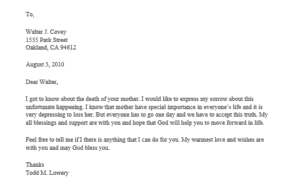
Suggestion Letter Example
 Suggestion Letter Format

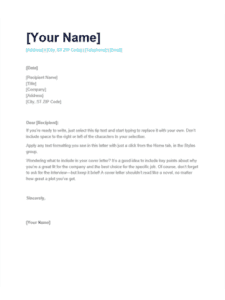
Suggestion Letter Template


Suggestion Letter To Son


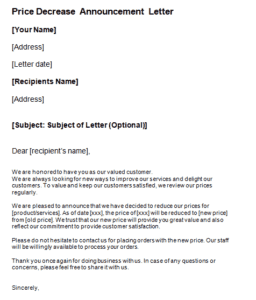
Suggestion Letter For Improvement

Suggestion Letter For Park Safety

Suggestion Letter To Boss

Practical Guide to Using Suggestion Letter
Suggestion Letter works best when written for a defined situation instead of copied word for word. Decide whether it will create a record, request action, confirm an understanding, or communicate a decision. That purpose determines what belongs in the message.
Choose the right example
Select a sample dealing with a formal request, decision, recommendation, or agreement. Compare its relationship, formality, and desired outcome with your circumstances. A company, school, employer, government office, customer, or personal contact may require different detail and wording.
Gather accurate information
Prepare the parties, purpose, supporting reasons, authority, scope, conditions, dates, and required response. Check spelling and figures against reliable records and arrange events in date order where useful. Verify uncertain facts instead of presenting assumptions as established information.
Use supporting material carefully
Attachments may include records, policies, examples, calculations, approvals, or other relevant supporting material. Mention each attachment and label it clearly. Exclude unrelated records, and protect confidential, financial, or identifying information by using an appropriate delivery channel.
Write a clear opening and request
Explain the reason for writing in the first paragraph. Supply essential context in the middle and end with the precise action, response method, and reasonable deadline. This structure remains understandable if the letter is saved or forwarded.
Avoid common mistakes
lead with the purpose, explain the reasoning, and end with a precise next step. Avoid vague subjects, unexplained abbreviations, inconsistent dates, unsupported claims, excessive history, and copied placeholders. For legal, contractual, disciplinary, or financial consequences, consider qualified review.
Delivery and record keeping
Use email, post, hand delivery, or an official portal according to the recipient’s requirements. Retain the signed version, attachments, and delivery evidence. A follow-up should cite the original date, subject, and reference number.
When to use Suggestion Letter
Use this type of letter when a spoken conversation is not enough, when the recipient needs organized information, or when both sides may need a reliable record later. It is particularly useful when dates, responsibilities, decisions, payments, permissions, or promised actions must be stated accurately. A written letter also gives the recipient time to review the facts and forward the matter to the correct person.
Do not send a formal letter merely to make a simple message look important. A short email or direct conversation may be better when the issue is routine and no permanent record is needed. If the subject is urgent, contact the recipient promptly and use the letter as confirmation rather than waiting for postal delivery. For sensitive disputes, employment action, contracts, financial obligations, or legal rights, the examples provide general drafting help but should not replace advice tailored to the applicable rules.
Make the response easy
Close by identifying one practical next step. Provide the correct phone number, email address, reference, and availability where appropriate. If you request a reply by a particular date, allow reasonable time and explain why that date matters. Clear response instructions improve the chance that the recipient will act without asking for clarification.
How to Write and Customize Suggestion Letter
Choose the example that best matches the proposal or requested action. Use it as a framework, rewrite the opening for the intended reader, and replace every placeholder with verified information.
Details to prepare
Collect supporting reasons, benefits, evidence, limits, and a clear response deadline. Relevant facts make suggestion letter easier to assess and reduce follow-up questions. Remove confidential, outdated, or unrelated sample wording.
Tone and final review
Keep the language respectful and convincing. State the expected action clearly, check names, dates, figures, contact details and attachments, and retain a copy when the matter is important.
For additional formatting guidance, see Purdue OWL’s guide to writing a basic business letter.
Related Letter Resources
- 18+ Apology Letter Samples (Sorry Letters)
- 50+ Application Letter Samples
- 39+ Government Letter Formats (To Govt Officials)
20 Additional Suggestion Letters for Different Situations
These practical suggestion letters add workplace, school, community, customer-service, safety, facilities and process-improvement scenarios.
- 1. Suggestion to Improve Meeting Efficiency
- 2. Suggestion for Flexible Start Times
- 3. Suggestion for Office Recycling Stations
- 4. Suggestion to Improve Break Room Facilities
- 5. Suggestion to Improve Customer Response Times
- 6. Suggestion for Website Accessibility Review
- 7. Suggestion for Better Inventory Tracking
- 8. Suggestion for Additional Safety Signage
- 9. Suggestion to Improve Parking Allocation
- 10. Suggestion for Better Remote Collaboration
- 11. Suggestion for Employee Recognition Program
- 12. Suggestion for Skills Training Calendar
- 13. Suggestion to Improve School Library Access
- 14. Suggestion for More Cafeteria Choices
- 15. Suggestion to Improve Visitor Traffic Flow
- 16. Suggestion for Community Waste Separation
- 17. Suggestion for Energy-Saving Measures
- 18. Suggestion to Improve Complaint Handling
- 19. Suggestion for Structured Employee Onboarding
- 20. Suggestion for Shared Knowledge Base
1. Suggestion to Improve Meeting Efficiency
[Date]
[Your Name / Title]
[Organization]
[Address]
[Email Address] | [Phone Number]
[Manager / Team Lead]
[Organization / Audience]
Subject: Suggestion for More Efficient Meetings
Dear [Manager / Team Lead],
I would like to suggest using shorter agendas, defined decisions, and action owners for recurring meetings.
Some meetings run longer than necessary because topics are not prioritized and actions are not clearly assigned. A simple agenda and time limit could improve focus.
I suggest testing the approach for the next four meetings and comparing duration and follow-up quality. I believe a small, practical change would be more useful than a broad change without clear evidence.
Sincerely,
[Signature]
[Your Name]
2. Suggestion for Flexible Start Times
[Date]
[Your Name / Title]
[Organization]
[Address]
[Email Address] | [Phone Number]
[Manager / HR Department]
[Organization / Audience]
Subject: Suggestion for Flexible Start Times
Dear [Manager / HR Department],
I would like to suggest allowing a limited range of flexible start and finish times where coverage permits.
Staggered start times may reduce commuting difficulties while preserving required service hours and total working time.
I suggest a small pilot with minimum coverage rules and a review after [period]. I believe a small, practical change would be more useful than a broad change without clear evidence.
Sincerely,
[Signature]
[Your Name]
3. Suggestion for Office Recycling Stations
[Date]
[Your Name / Title]
[Organization]
[Address]
[Email Address] | [Phone Number]
[Facilities / Management]
[Organization / Audience]
Subject: Suggestion for Recycling Stations
Dear [Facilities / Management],
I would like to suggest adding clearly labeled recycling stations in common areas.
Current waste points make it difficult for staff to separate recyclable material consistently.
I suggest starting with the busiest areas and reviewing contamination and usage after one month. I believe a small, practical change would be more useful than a broad change without clear evidence.
Sincerely,
[Signature]
[Your Name]
4. Suggestion to Improve Break Room Facilities
[Date]
[Your Name / Title]
[Organization]
[Address]
[Email Address] | [Phone Number]
[Facilities / Management]
[Organization / Audience]
Subject: Suggestion for Break Room Improvement
Dear [Facilities / Management],
I would like to suggest making practical improvements to the employee break room.
Small changes such as better seating, basic storage, cleanliness checks, or appliance maintenance could make the shared space more functional.
I suggest gathering a short list of low-cost priorities and addressing the most frequently reported issues first. I believe a small, practical change would be more useful than a broad change without clear evidence.
Sincerely,
[Signature]
[Your Name]
5. Suggestion to Improve Customer Response Times
[Date]
[Your Name / Title]
[Organization]
[Address]
[Email Address] | [Phone Number]
[Customer Service Manager]
[Organization / Audience]
Subject: Suggestion for Faster Customer Response
Dear [Customer Service Manager],
I would like to suggest introducing clearer response-time targets and triage for customer inquiries.
Routine and urgent cases currently enter the same queue, which can delay simple questions and time-sensitive issues.
I suggest testing categories with target response times and measuring backlog and customer satisfaction. I believe a small, practical change would be more useful than a broad change without clear evidence.
Sincerely,
[Signature]
[Your Name]
6. Suggestion for Website Accessibility Review
[Date]
[Your Name / Title]
[Organization]
[Address]
[Email Address] | [Phone Number]
[Web / Communications Team]
[Organization / Audience]
Subject: Suggestion for Website Accessibility Review
Dear [Web / Communications Team],
I would like to suggest reviewing the website for common accessibility barriers.
Improvements to headings, keyboard access, contrast, alternative text, and form labels can make the site easier to use for more visitors.
I suggest beginning with the highest-traffic pages and using a documented accessibility checklist. I believe a small, practical change would be more useful than a broad change without clear evidence.
Sincerely,
[Signature]
[Your Name]
7. Suggestion for Better Inventory Tracking
[Date]
[Your Name / Title]
[Organization]
[Address]
[Email Address] | [Phone Number]
[Operations / Warehouse Manager]
[Organization / Audience]
Subject: Suggestion for Inventory Tracking Improvement
Dear [Operations / Warehouse Manager],
I would like to suggest using more consistent inventory counts and discrepancy reporting.
Differences between physical stock and system records can create delays and unnecessary reordering.
I suggest scheduled cycle counts for high-value or fast-moving items and a simple root-cause log for discrepancies. I believe a small, practical change would be more useful than a broad change without clear evidence.
Sincerely,
[Signature]
[Your Name]
8. Suggestion for Additional Safety Signage
[Date]
[Your Name / Title]
[Organization]
[Address]
[Email Address] | [Phone Number]
[Facilities / Safety Committee]
[Organization / Audience]
Subject: Suggestion for Safety Signage
Dear [Facilities / Safety Committee],
I would like to suggest adding or improving safety signs at [location].
People may not immediately recognize [hazard, restricted area, direction, or protective requirement] from the current signage.
I suggest a site review to confirm where signs are justified and to avoid unnecessary visual clutter. I believe a small, practical change would be more useful than a broad change without clear evidence.
Sincerely,
[Signature]
[Your Name]
9. Suggestion to Improve Parking Allocation
[Date]
[Your Name / Title]
[Organization]
[Address]
[Email Address] | [Phone Number]
[Facilities / Property Management]
[Organization / Audience]
Subject: Suggestion for Parking Allocation Review
Dear [Facilities / Property Management],
I would like to suggest reviewing parking allocation at [site].
Current arrangements create recurring congestion or uncertainty at peak times for staff, visitors, or residents.
I suggest mapping actual demand and considering permits, visitor spaces, time limits, or clearer markings based on the data. I believe a small, practical change would be more useful than a broad change without clear evidence.
Sincerely,
[Signature]
[Your Name]
10. Suggestion for Better Remote Collaboration
[Date]
[Your Name / Title]
[Organization]
[Address]
[Email Address] | [Phone Number]
[Manager / Team Lead]
[Organization / Audience]
Subject: Suggestion for Remote Collaboration Practices
Dear [Manager / Team Lead],
I would like to suggest standardizing a few remote collaboration practices.
Teams can lose time when files, meeting notes, decisions, and communication channels are scattered across different tools.
I suggest agreeing one location for documents, one channel for urgent matters, and a simple decision log. I believe a small, practical change would be more useful than a broad change without clear evidence.
Sincerely,
[Signature]
[Your Name]
11. Suggestion for Employee Recognition Program
[Date]
[Your Name / Title]
[Organization]
[Address]
[Email Address] | [Phone Number]
[Management / HR Department]
[Organization / Audience]
Subject: Suggestion for Employee Recognition Program
Dear [Management / HR Department],
I would like to suggest a simple employee recognition process.
Consistent recognition of useful contributions can reinforce good work without requiring large rewards or subjective competitions.
I suggest a transparent monthly or quarterly process tied to specific values or results. I believe a small, practical change would be more useful than a broad change without clear evidence.
Sincerely,
[Signature]
[Your Name]
12. Suggestion for Skills Training Calendar
[Date]
[Your Name / Title]
[Organization]
[Address]
[Email Address] | [Phone Number]
[HR / Training Department]
[Organization / Audience]
Subject: Suggestion for Skills Training Calendar
Dear [HR / Training Department],
I would like to suggest publishing a quarterly skills-training calendar.
Employees are more likely to plan development when training dates, eligibility, and learning objectives are visible in advance.
I suggest beginning with frequently requested topics and tracking attendance and usefulness. I believe a small, practical change would be more useful than a broad change without clear evidence.
Sincerely,
[Signature]
[Your Name]
13. Suggestion to Improve School Library Access
[Date]
[Your Name / Title]
[Organization]
[Address]
[Email Address] | [Phone Number]
[Principal / School Administration]
[Organization / Audience]
Subject: Suggestion for Improved Library Access
Dear [Principal / School Administration],
I would like to suggest extending or adjusting library access for students.
Some students have limited opportunity to use the library because current hours overlap with classes, transport, or other commitments.
I suggest testing an additional opening period before school, after school, or during selected breaks. I believe a small, practical change would be more useful than a broad change without clear evidence.
Sincerely,
[Signature]
[Your Name]
14. Suggestion for More Cafeteria Choices
[Date]
[Your Name / Title]
[Organization]
[Address]
[Email Address] | [Phone Number]
[School / Workplace Food Service Manager]
[Organization / Audience]
Subject: Suggestion for Additional Cafeteria Choices
Dear [School / Workplace Food Service Manager],
I would like to suggest adding a small number of healthier or dietary-inclusive options.
A wider choice can serve people with different preferences without removing existing popular items.
I suggest testing several options for a month and using actual sales or feedback to decide what to retain. I believe a small, practical change would be more useful than a broad change without clear evidence.
Sincerely,
[Signature]
[Your Name]
15. Suggestion to Improve Visitor Traffic Flow
[Date]
[Your Name / Title]
[Organization]
[Address]
[Email Address] | [Phone Number]
[Facilities / Reception Manager]
[Organization / Audience]
Subject: Suggestion for Visitor Flow Improvement
Dear [Facilities / Reception Manager],
I would like to suggest improving visitor check-in and wayfinding at [site].
Visitors sometimes queue, enter the wrong area, or need repeated directions during busy periods.
I suggest clearer signs, a simple check-in sequence, and a review of peak-time staffing. I believe a small, practical change would be more useful than a broad change without clear evidence.
Sincerely,
[Signature]
[Your Name]
16. Suggestion for Community Waste Separation
[Date]
[Your Name / Title]
[Organization]
[Address]
[Email Address] | [Phone Number]
[Municipal / Community Committee]
[Organization / Audience]
Subject: Suggestion for Waste Separation Initiative
Dear [Municipal / Community Committee],
I would like to suggest introducing clearer waste-separation guidance in [community/building].
Residents may be willing to separate waste but need consistent bin labels, collection instructions, and information about accepted materials.
I suggest a small pilot in one area before expanding the system. I believe a small, practical change would be more useful than a broad change without clear evidence.
Sincerely,
[Signature]
[Your Name]
17. Suggestion for Energy-Saving Measures
[Date]
[Your Name / Title]
[Organization]
[Address]
[Email Address] | [Phone Number]
[Facilities / Management]
[Organization / Audience]
Subject: Suggestion for Practical Energy Savings
Dear [Facilities / Management],
I would like to suggest reviewing simple energy-saving measures in the building.
Lighting schedules, thermostat settings, equipment shutdown routines, and maintenance can sometimes reduce waste without major capital spending.
I suggest measuring current use first and prioritizing changes that can be verified. I believe a small, practical change would be more useful than a broad change without clear evidence.
Sincerely,
[Signature]
[Your Name]
18. Suggestion to Improve Complaint Handling
[Date]
[Your Name / Title]
[Organization]
[Address]
[Email Address] | [Phone Number]
[Customer Service / Management]
[Organization / Audience]
Subject: Suggestion for Complaint Handling Improvement
Dear [Customer Service / Management],
I would like to suggest using a consistent complaint acknowledgment and tracking process.
Customers become more frustrated when they do not know whether a complaint was received, who owns it, or when to expect an update.
I suggest assigning a case reference, responsible owner, and target update date for each complaint. I believe a small, practical change would be more useful than a broad change without clear evidence.
Sincerely,
[Signature]
[Your Name]
19. Suggestion for Structured Employee Onboarding
[Date]
[Your Name / Title]
[Organization]
[Address]
[Email Address] | [Phone Number]
[HR / Department Manager]
[Organization / Audience]
Subject: Suggestion for Employee Onboarding Checklist
Dear [HR / Department Manager],
I would like to suggest using a standard onboarding checklist for new employees.
New hires can miss important access, policy, equipment, training, or role information when onboarding depends entirely on informal handover.
I suggest a checklist covering the first day, first week, and first month with named owners for each step. I believe a small, practical change would be more useful than a broad change without clear evidence.
Sincerely,
[Signature]
[Your Name]
20. Suggestion for Shared Knowledge Base
[Date]
[Your Name / Title]
[Organization]
[Address]
[Email Address] | [Phone Number]
[Manager / IT / Operations]
[Organization / Audience]
Subject: Suggestion for Shared Knowledge Base
Dear [Manager / IT / Operations],
I would like to suggest creating a searchable internal knowledge base for recurring procedures and questions.
Teams often repeat the same explanations or rely on individual memory when standard information is not documented in one place.
I suggest starting with the twenty most frequently asked questions or repeated procedures and assigning owners to keep them current. I believe a small, practical change would be more useful than a broad change without clear evidence.
Sincerely,
[Signature]
[Your Name]
Suggestion Letter Frequently Asked Questions
What should suggestion letter include?
Identify the proposal or requested action, explain the relevant facts, include supporting reasons, benefits, evidence, limits, and a clear response deadline, and state the response or action required.
How formal should it be?
Use language that is respectful and convincing. Match the greeting to the recipient while keeping the purpose clear.
Can I edit these examples?
Yes. Replace all sample details, remove sections that do not apply, and add only the facts the recipient needs.
What should I check before sending?
Verify names, dates, figures, addresses, references, attachments, signature, and deadline. Proofread and keep a final copy.