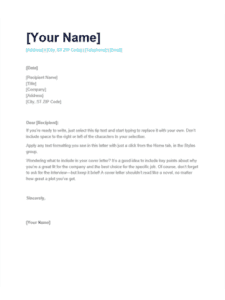
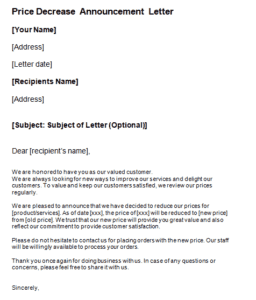
Searching for useful confirmation letters samples that can be personalized quickly? This collection includes 10 or more practical examples created to record authority, instructions, consent, approval, or responsibilities without avoidable ambiguity. Rather than offering empty filler, the templates help you introduce the subject directly, establish the necessary context, and make the purpose clear to readers from the opening lines.
These examples can be adapted by individuals, employers, institutions, representatives, and public offices. A complete letter may need the parties, scope, effective dates, limits, responsibilities, references, and signatures. Select the version closest to your circumstances, then replace every placeholder and broad claim with accurate names, dates, facts, and expectations. Specific information improves clarity, credibility, and relevance while reducing the risk of delay or misunderstanding.
Start by identifying the result you want and gathering the details that support it. Compare the preview images below, choose the most suitable downloadable template, and revise its wording for your audience and level of formality. Remove anything that does not apply, check grammar and factual accuracy, confirm attachments and contact information, and retain a copy of the final letter for future reference.
See Confirmation Letter Samples Below
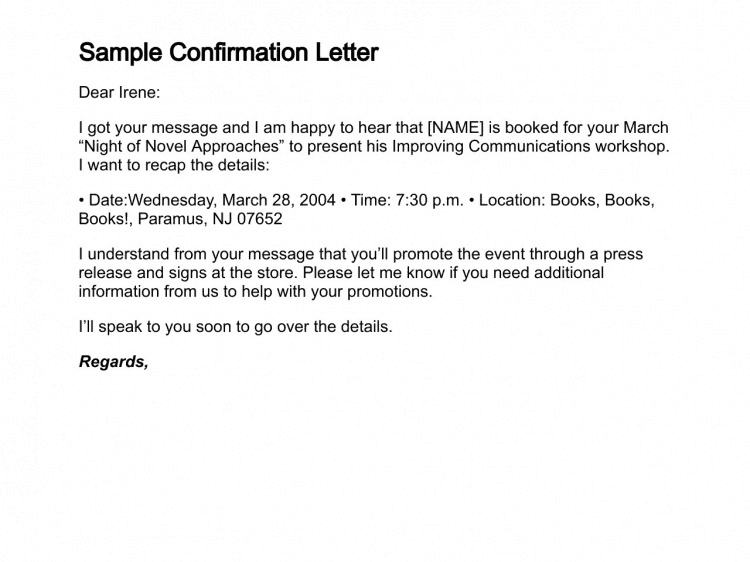

Business Confirmation Letter

Formal Confirmation Letter

Meeting/Conference Confirmation Letter
Confirmation Letter For Purchase Agreement

Payment Confirmation Letter

Employment Confirmation Letter
Blank Confirmation Letter Format

Meeting Confirmation Letter

Order Confirmation Letter

Practical Guide to Using Confirmation Letters
Confirmation Letters is most effective when it is written for a clearly defined situation rather than copied word for word. Begin by identifying whether the letter will create a record, request action, confirm an understanding, or communicate a decision. That purpose determines what information belongs in the message and what can be left out.
Choose the right example
Select a sample that deals with a formal request, decision, recommendation, or agreement. Compare the sample’s relationship, level of formality, and desired outcome with your own circumstances. A letter written to a company, school, employer, government office, customer, or personal contact may discuss a similar subject but require a different greeting, level of detail, and closing.
Gather accurate information
Before editing, prepare the parties, purpose, supporting reasons, authority, scope, conditions, dates, and required response. Confirm spelling and figures against reliable records. Where appropriate, organize the facts in date order so the recipient can follow the situation without searching through the letter. If a fact is uncertain, verify it rather than presenting an assumption as established information.
Use supporting material carefully
Useful attachments may include records, policies, examples, calculations, approvals, or other relevant supporting material. Mention each attachment in the body and give it a clear filename or label. Do not overload the recipient with unrelated records. Personal identifiers, financial information, and confidential workplace material should be included only when necessary and sent through an appropriate channel.
Write a clear opening and request
The first paragraph should explain the reason for writing in plain language. The middle paragraphs should supply the essential context and supporting facts. In the closing, state exactly what you want the reader to do, how they can respond, and whether a reasonable deadline applies. This structure helps the letter remain useful even when it is saved, forwarded, or reviewed later.
Avoid common mistakes
lead with the purpose, explain the reasoning, and end with a precise next step. Avoid vague subject lines, unexplained abbreviations, inconsistent dates, unsupported accusations, excessive background, and copied placeholders. Do not promise an outcome you cannot control. If the matter has legal, contractual, disciplinary, or financial consequences, consider having the final wording reviewed by a qualified person before sending it.
Delivery and record keeping
Choose email, post, hand delivery, or an official portal according to the recipient’s requirements. Use a descriptive subject line and retain the final signed version, attachments, and proof of delivery. If no reply arrives, follow up politely by referring to the original date, subject, and reference number instead of rewriting the entire issue.
When to use Confirmation Letters
Use this type of letter when a spoken conversation is not enough, when the recipient needs organized information, or when both sides may need a reliable record later. It is particularly useful when dates, responsibilities, decisions, payments, permissions, or promised actions must be stated accurately. A written letter also gives the recipient time to review the facts and forward the matter to the correct person.
Do not send a formal letter merely to make a simple message look important. A short email or direct conversation may be better when the issue is routine and no permanent record is needed. If the subject is urgent, contact the recipient promptly and use the letter as confirmation rather than waiting for postal delivery. For sensitive disputes, employment action, contracts, financial obligations, or legal rights, the examples provide general drafting help but should not replace advice tailored to the applicable rules.
Make the response easy
Close by identifying one practical next step. Provide the correct phone number, email address, reference, and availability where appropriate. If you request a reply by a particular date, allow reasonable time and explain why that date matters. Clear response instructions improve the chance that the recipient will act without asking for clarification.
How to Write and Customize Confirmation Letters
Choose the example that best matches the decision or official request. Use it as a framework, rewrite the opening for the intended reader, and replace every placeholder with verified information.
Details to prepare
Collect authority, reference number, scope, effective dates, and conditions. Relevant facts make confirmation letters easier to assess and reduce follow-up questions. Remove confidential, outdated, or unrelated sample wording.
Tone and final review
Keep the language formal and precise. State the expected action clearly, check names, dates, figures, contact details and attachments, and retain a copy when the matter is important.
Related Letter Resources
Frequently Asked Questions
What should confirmation letters include?
Identify the decision or official request, explain the relevant facts, include authority, reference number, scope, effective dates, and conditions, and state the response or action required.
How formal should it be?
Use language that is formal and precise. Match the greeting to the recipient while keeping the purpose clear.
Can I edit these examples?
Yes. Replace all sample details, remove sections that do not apply, and add only the facts the recipient needs.
What should I check before sending?
Verify names, dates, figures, addresses, references, attachments, signature, and deadline. Proofread and keep a final copy.